
“And when my mind is wandering
There I will go
And it really doesn’t matter if I’m wrong I’m right”
I had the best of intentions to spend this evening revising and polishing a business proposal due Tuesday. All day, while puttering around on small tasks, I worked over the specifications and pitch in my mind and settled how best to arrange the final structure.
But, as they are wont to do, a bird set my mind to wandering…
(Wont. Now there is a word to cherish and resurrect. As with most words which give English its clear and plain monosyllabic power, it stretches back to our Sanskrit roots, through the Old High German.)
Tonight, through a quiet fog that has shrouded the bay all day, I heard a sound I haven’t heard in 14 years: the call of a loon. You might think this unremarkable; after all, Galveston Bay is wildly profligate with birds, most of all during winter, when dozens of species migrate here for our mild weather, adding to the ubiquitous abundance of our resident birds.
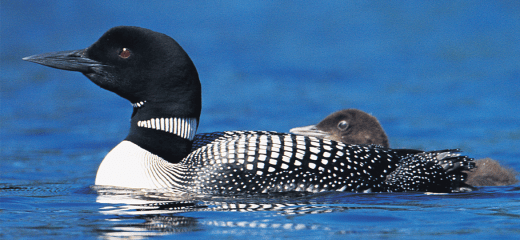
The Common Loon winters on our bay. Nothing unusual about that; photographers capture them each year. But according to Audubon, it goes silent during winter. While here, experts say, it withholds the lonesome, haunting call – never forgotten, once heard – for which it is famous. But loons, like all wild creatures (I count myself among them) pay no heed to “experts;” to my great delight, they sometimes defy categories and absolutes that we try to place them in.
Their call is so beautiful, plaintive and distinctive that it can’t be mistaken for the call of any other bird. I first heard it on a cold December night in 2004 (copied below); it surprised and moved me so deeply then that I wrote a poem and send it around for Christmas. Through the years and winters since I have not heard it again until tonight. It’s power to move me has not waned: my heart seems to stop, and I forget to breath.
All that seemed important before that sound now falls away; tomorrow will suit other matters just fine. I may never again hear a loon call on a foggy night. For this one night, I will let that blessing linger and abide unblemished by grubby distractions.
Through 62 years I have adventured across 48 states and many countries, but if there is greater joy than thinking quietly across the hours of a still, foggy evening on a saltwater bay, from which loons call through the mist, while ten cats wander on and off my lap, sipping a fine Scotch whisky (a smoky Ardbeg) to the music of Verdi…well, I haven’t found it.
A Yodel of Infinite Variation
Resplendent in summer, the common loon loses all
its color in fall, arriving on our southern coast wearing
only brown and grey, colors befitting an unremarkable figure:
“stout, heavy-headed, short neck.” Even in name –
from the Swedish for “blackened ashes of a fire” –
the loon is our most unlovely winter guest.
In all but voice, the loon excels at being plain.
In long summer days, the loon sings in voices
so numerous they are defined in human terms:
tremolo (“the loon’s laughter”), the wail, the call,
and – inspiring poetry from Audubon – the yodel
“of infinite variations, repeated, rising and undulating.”
Ancient Scots called the loon the “calls-up-a-storm,”
believing its wild trill shook weather from the sky.
Through the winter, the loon goes silent, as if
in mourning for the long bright days of love
and tall green reeds plump with seed. Exiled
from summer, the loon withholds its polyglot display.
In nine years on this coast I have never heard a loon call
or wail or yodel. But three nights ago, on the first cold night of winter,
a single loon sang out from the dark waters of our bay,
a lonely keen that broke the silence of the stars
and troubled the thoughtless habits of my mind.
And nothing since has been the same. The world still spins
in perfect indifference to me, to all my ambitions
and follies. The days still stumble over each other
without sense. I still grieve each evening for the kind words
I did not speak, the easy mercies left undone.
But I am lifted now by the lightness of an undeserved blessing.
A loon sang to me when all the ornithologists say
it would not. And we can still sing out across
the long winters, across the dark waters to the lights
on the far shore, not knowing if our voices will be heard
but singing out anyway, crazy as loons, raising the song
of our own infinite variations of grace.
 tejaslibertas